EU Carbon Removals and Carbon Farming (CRCF) Regulation
What is the CRCF Regulation?
The Carbon Removals and Carbon Farming (CRCF) Regulation (EU) 2024/3012 establishes the first EU-wide voluntary certification framework for permanent carbon removals, carbon farming and carbon storage in products. The Regulation aims to facilitate and encourage high-quality carbon removals and soil emission reductions in the European Union, while ensuring robust quantification, additionality, long-term storage and sustainability.
For carbon farming, the framework is particularly relevant to the agricultural sector, as it provides a common basis for quantifying and certifying activities that enhance carbon sequestration in soils and biomass or reduce greenhouse gas emissions from soils. Certification under the CRCF is based on harmonised EU methodologies and requires appropriate monitoring, reporting and independent verification.
Relevance to LIFE ClimaMED
LIFE ClimaMED addressed several technical and methodological aspects that are directly relevant to the objectives of carbon farming and to the monitoring requirements underpinning the CRCF framework. The project developed and demonstrated approaches for assessing greenhouse gas (GHG) emissions and soil organic carbon (SOC) in Mediterranean agricultural systems, providing information that can support the evaluation of climate-smart agricultural practices.
A key technological development of LIFE ClimaMED is the integrated LiDAR–LoRa monitoring system, designed for field-level monitoring of the main GHG associated with agricultural activities: carbon dioxide (CO₂), methane (CH₄) and nitrous oxide (N₂O). Measurements collected in the field can be transmitted and integrated into the project’s Central Management and Monitoring (CMM) platform, where they can be spatially represented and associated with individual agricultural areas.
In parallel, LIFE ClimaMED developed a methodology for the assessment of soil organic carbon (SOC), allowing SOC stocks and their variation under different soil and crop management practices to be evaluated. The combination of soil information, field measurements and spatial data provides an integrated approach for assessing the climate performance of agricultural management practices.
These developments are relevant to the principles underlying the CRCF framework, particularly regarding quantification, monitoring and traceability. They demonstrate how field measurements, soil data and digital technologies can contribute to reliable Monitoring, Reporting and Verification (MRV) approaches for climate-smart and carbon farming practices.
LIFE ClimaMED has also explored the potential use of its monitoring results as a basis for a certification approach for agricultural products with a low GHG footprint. This project-level approach is distinct from certification of carbon removals or carbon farming units under the CRCF Regulation. Nevertheless, the monitoring infrastructure, methodologies and traceability mechanisms developed within LIFE ClimaMED provide technical knowledge that may contribute to the future development and implementation of carbon farming monitoring and certification approaches.
Recent developments in the implementation of the CRCF
Following the adoption of Regulation (EU) 2024/3012, the European Commission has progressively developed the detailed methodologies and implementation rules required for the operation of the CRCF framework.
In July 2026, the European Commission adopted specific CRCF certification methodologies for three categories of carbon farming activities:
- agriculture and agroforestry on mineral soils;
- rewetting and restoration of peatlands and other organic soils; and
- afforestation.
The methodology covering agriculture and agroforestry on mineral soils is particularly relevant to the agricultural activities addressed by LIFE ClimaMED. The CRCF framework recognises practices such as soil protection measures and improved fertiliser-use efficiency, which can contribute to increased carbon sequestration and reduced soil greenhouse gas emissions.
The development of these methodologies further highlights the importance of reliable field-level quantification, monitoring and reporting of carbon stocks and GHG emissions. In this respect, the subsequent evolution of the CRCF framework confirms the relevance of the monitoring and soil assessment approaches demonstrated during LIFE ClimaMED.
European stakeholder dialogue and development of the framework
The development and implementation of the CRCF framework has been supported by extensive consultation with researchers, national authorities, businesses, environmental organisations and other stakeholders.
The European Commission Expert Group on Carbon Removals, composed of representatives from different sectors and areas of expertise, advises the Commission on the development of the certification methodologies and other technical aspects of the CRCF framework.
The process has included expert meetings, technical studies, workshops and public consultations on carbon farming methodologies. In April 2026, for example, the Expert Group discussed the revised Carbon Farming Delegated Act and the certification process. This stakeholder dialogue contributes to the development of harmonised, scientifically robust and practically applicable certification methodologies across the EU.
Certification schemes and traceability
Under the CRCF framework, certification activities are carried out through certification schemes recognised by the EC. Such schemes must comply with the CRCF Regulation, the relevant certification methodologies and the applicable implementing rules.
Among other requirements, recognised schemes must ensure appropriate governance and monitoring, regular auditing by accredited or recognised certification bodies, and reliable certification registries. These registries are intended to ensure the traceability of certified units and prevent double counting.
The emphasis placed by the CRCF framework on monitoring, verification and traceability is closely related to the broader objectives pursued by LIFE ClimaMED through the integration of field monitoring technologies, spatial information and the CMM platform.
Key EU documents and useful links
EU legislation
European Commission – CRCF
- Carbon Removals and Carbon Farming
- Carbon Removals and Carbon Farming (CRCF) Regulation
- CRCF Certification Methodologies
- CRCF Certification Schemes
Recent developments and stakeholder consultation
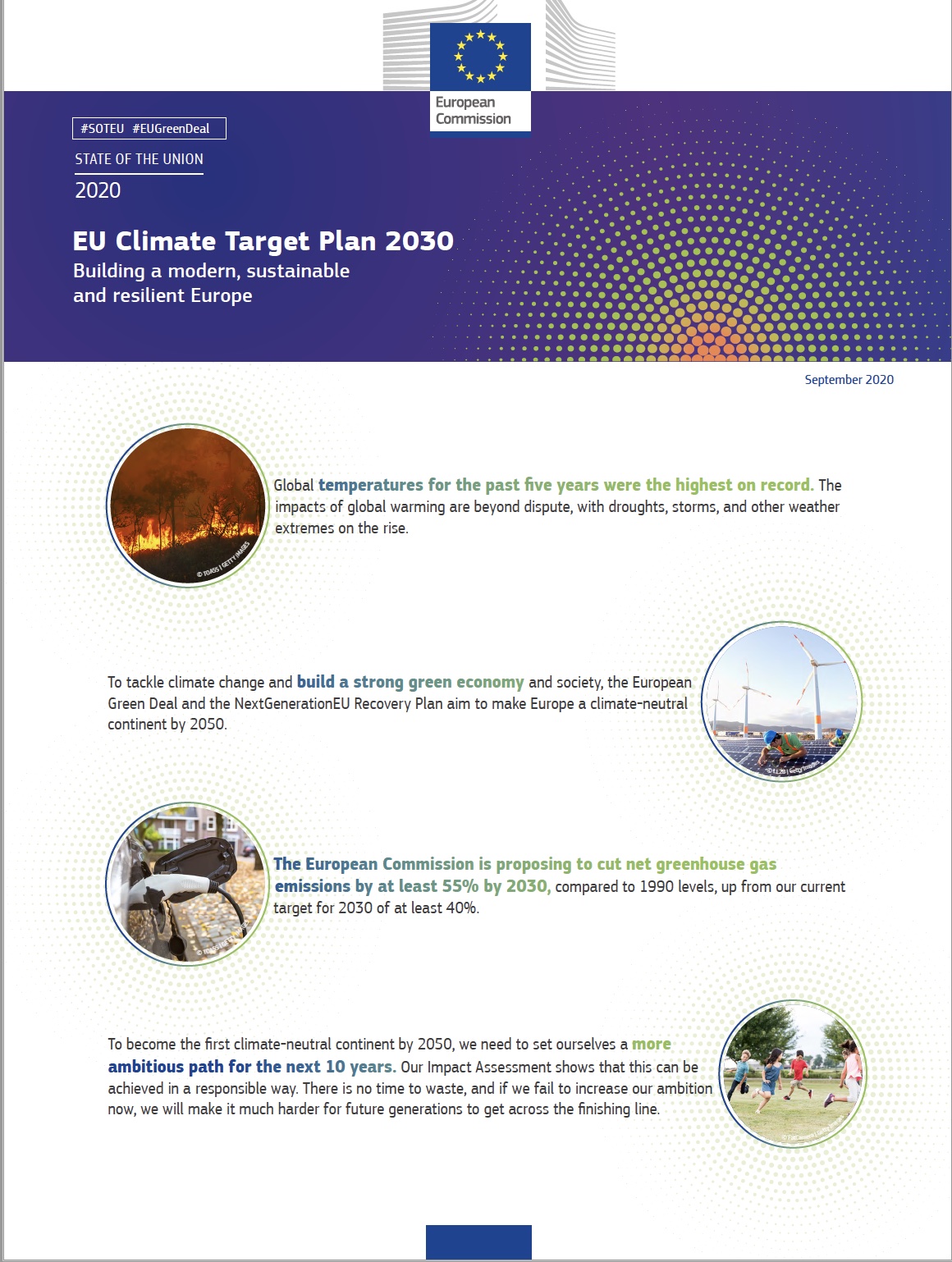
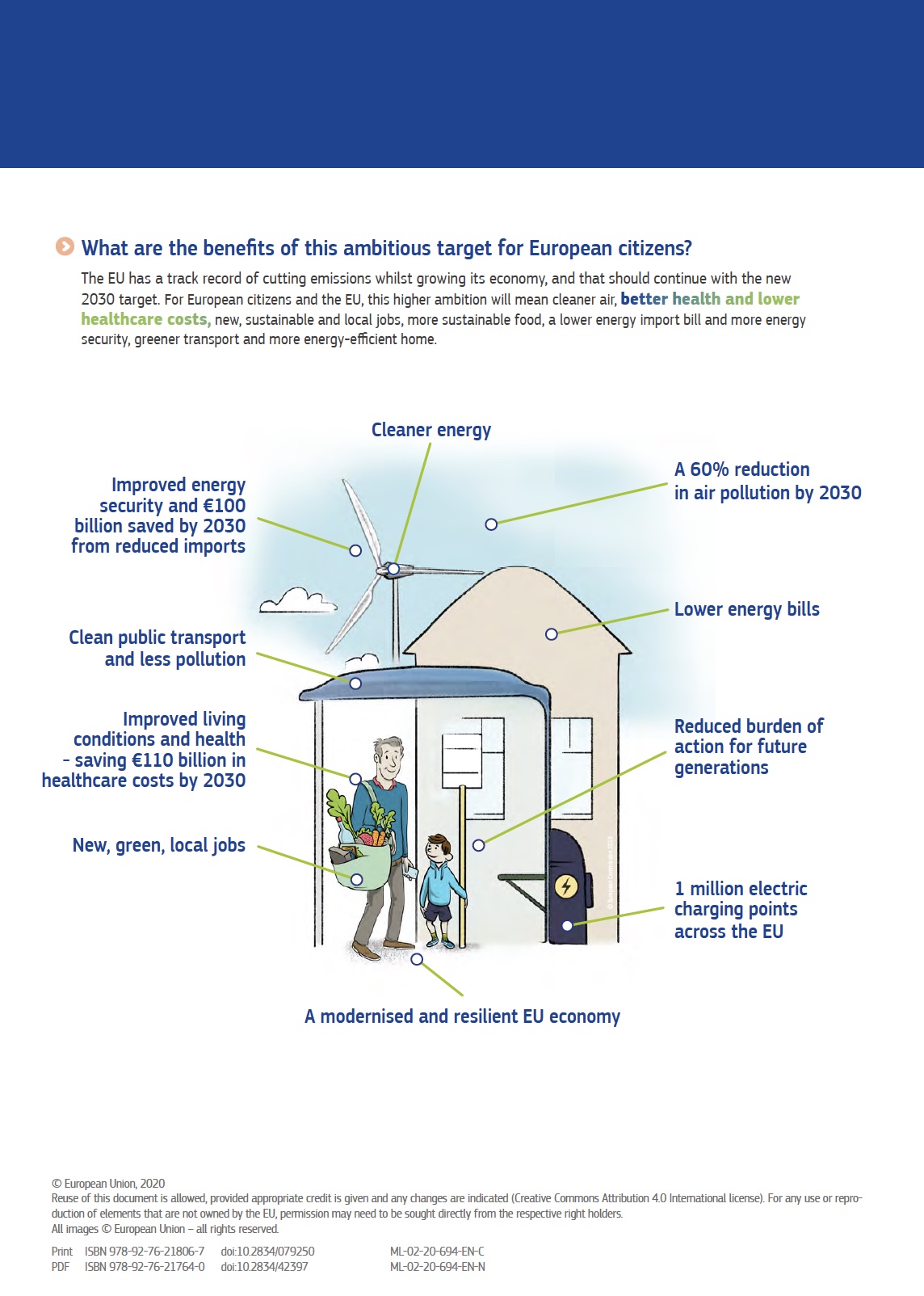
Commission raises climate ambition and proposes 55% cut in emissions by 2030
The European Commission updated its plan to reduce EU greenhouse gas emissions by at least 55% by 2030, compared to 1990 levels. This level of ambition for the next decade will put the EU on a balanced pathway to reaching climate neutrality by 2050. The new target is based on a comprehensive Impact Assessment of the social, economic and environmental impacts. The Assessment demonstrates that this course of action is realistic and feasible. This raised ambition also underlines the EU's continued global leadership, ahead of the next UN climate conference (COP26).
Read more here
ClimaMED supports the New CAP
ClimaMED strongly contributes to the implementation of the New CAP. As the EU provides the flexibility to its Member States to develop their strategic plans, however targeting to the common goals of the CAP, ClimaMED is expected to significantly contribute in developing such plans, focusing on (i) GHGs reduction; (ii) practices that promote carbon sink into soils; (iii) development of methodologies for determining the above (i) and (ii) at field level, which allows firstly the monitoring and digitization, but also the creation of eco-schemes with multiple benefits for the producers.
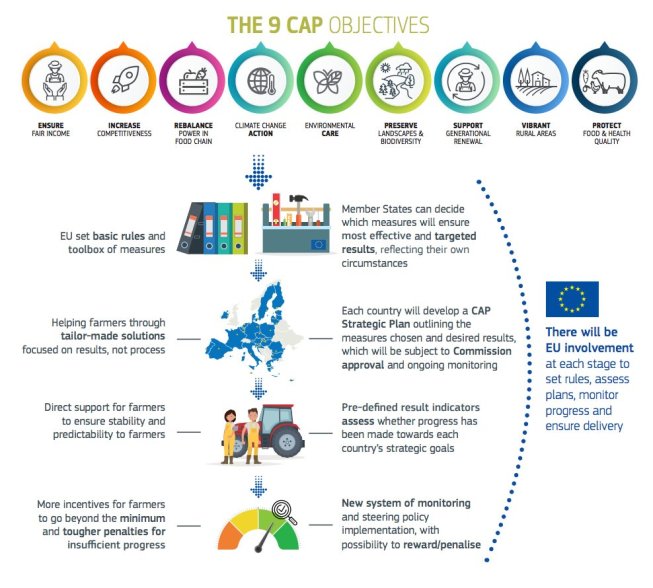
The project will also contribute to the establishment of a certification system for the products with low GHG footprint, which is also promoted by the new CAP and which strengthens the position of the farmers in the market.
Soil protection is also one of the key obligations described in the new CAP. ClimaMED also contributes to this issue since it promotes alternative-sustainable practices to the farmers in order to reduce impacts on soil, increase soil organic matter and consequently protect soil biodiversity.
Regarding the eco-schemes, this is a major new tool to support sustainable farming as well as other approaches or specific practices relevant to climate change, management of natural resources, and biodiversity. Eco-schemes will allow a large number of farms to improve their environmental performance. ClimaMED can promote these schemes with the use of the LIDAR devices for GHGs emissions recording from a group of farmers.
As it is stated in the CAP Strategic Plans, the change resulting from the adoption of sustainable farming practices throughout the cultivated area in the EU should not only reinforce the downwards trend in GHG emissions of the farming sector but also ultimately turn agricultural soils into carbon sinks, which is exactly one of the ClimaMED objectives.
The new CAP promotes also the identifation of better methods for measuring carbon removals in agriculture as the first step to enable payments to farmers for the carbon sequestration they provide. In the future CAP Strategic Plans, Member States will be able to use these rules to design CAP payments based on the carbon sequestered. Private companies could also be interested in purchasing such certificates to support climate action, thus providing an additional incentive (on top of the CAP rewards /payments) to farmers for carbon sequestration. ClimaMED has a clear contribution also to this end.
Considering the above, ClimaMED significantly contributes to the following objectives of the new CAP:
- “Competitveness”
- “Climate Change Action”
- “Environmental Care”
- “Landscape and Biodiversity”
Finally, and as the new CAP requires “data collection requirements and common data approaches between policies ” is has to be mentioned that the Central Management and Monitoring tool of ClimaMED for spatial data inventorying/mapping of GHGs emissions/SOC changes has strong potential to provide information to policy makers for various sectors and establish an integrated, shared EU-wide information system which will rely on geographical information.
Further reading
CAP post 2020 Environmental Benefits
Commission SWD (2020) 93 final-Analysis of links between CAP Reform and Green Deal